Parthenon Symposium: Book Talk with Mary Beard
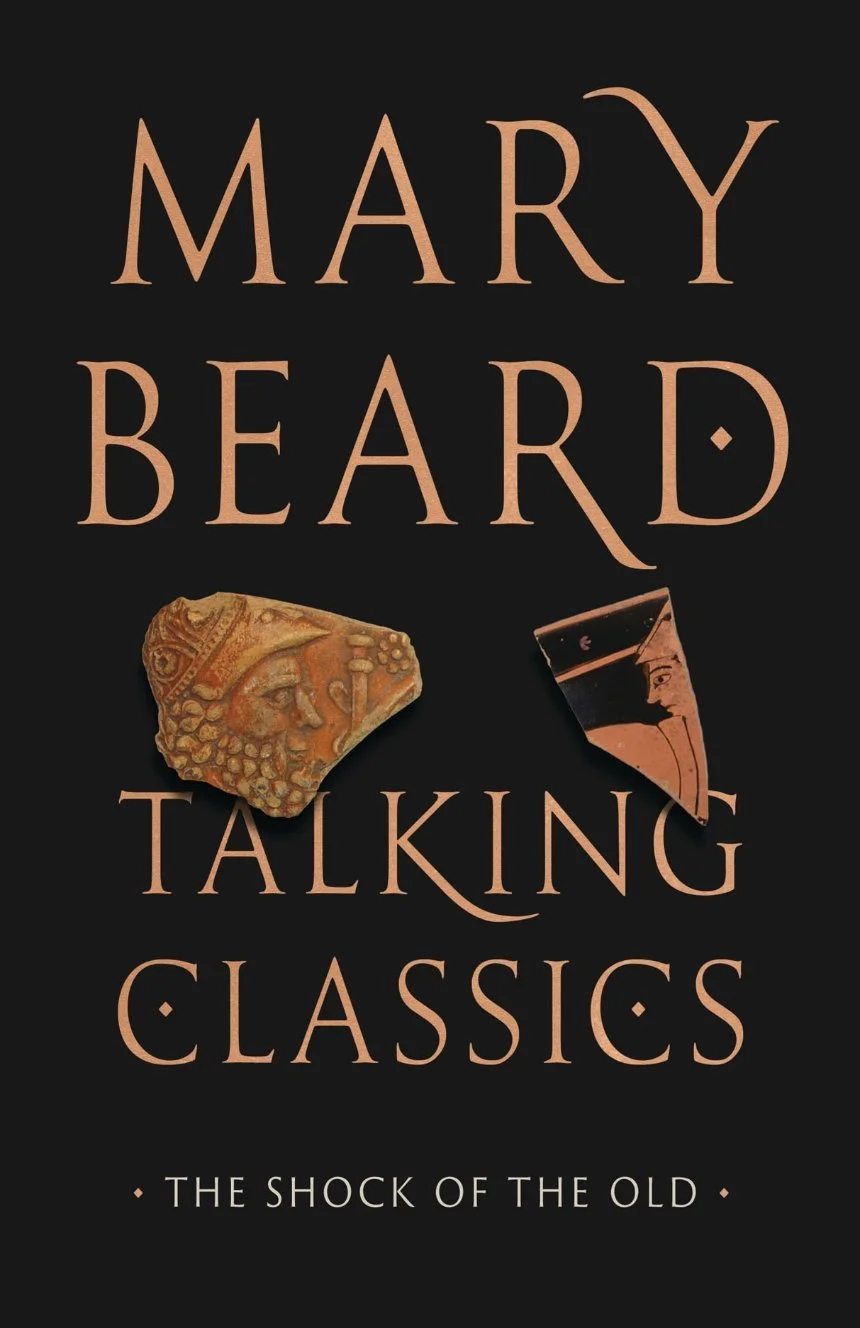
Author of Talking Classics: The Shock of the Old
Sunday May 10, 2:00 PM Central, at the Paschall Theater
The Parthenon is proud to partner with Montgomery Bell Academy to welcome Mary Beard to the "Athens of the South"!
Join distinguished classicist Mary Beard for a talk on her most recent exploration of the relevance of the ancient world in our contemporary lives. RSVP now and meet us on May 10 at 2 PM at the Montgomery Bell Academy’s Paschall Theater!
About the topic:
In her newest book, Mary Beard explores our ongoing fascination with the ancient Greek and Roman worlds, starting with a personal, childhood encounter with a very old piece of bread on display in a museum. From this, she introduces the idea of the wonder, or “thauma,” that drew her into a lifetime of trying to understand everyday lives in the remote past. She confronts the uses and abuses of symbols from the ancient world, reminding us that although the ancient world is often politicized, it does not belong to partisans. She argues that the classics remain relevant because they teach us to debate complex and difficult topics. She welcomes everyone into classics, bringing curiosity and wonder to the study of the past.
Talk is free and open to the public with an RSVP.
Copies of Mary Beard's new book Talking Classics: The Shock of the Old will be available onsite for purchase through Parnassus Books while supplies last. There will be a signing line following the talk where books can be signed and/or personalized.
About the speaker:
Mary Beard is a distinguished classicist, bestselling author, and popular commentator, known for her pioneering scholarship and for her witty approach to making antiquity accessible. She is a professor emerita of classics at the University of Cambridge, a fellow of Newnham College, and professor of Ancient Literature at the Royal Academy, with many additional international academic distinctions. She has served as the classics editor of the Times Literary Supplement. Her books include The Parthenon, one of the most readable accounts of the thousands of years of use and re-use of the ancient Greek building. Among many other wide-ranging works, she is the author of SPQR: A History of Ancient Rome; Women and Power: A Manifesto; and How Do We Look: the Body, the Divine, and the Question of Civilization.
About the book:
Talking Classics: The Shock of the Old by Mary Beard
Why the ongoing fascination with the ancient world? This witty, approachable book asks why—for better or (sometimes) worse—antiquity continues to exert such a powerful hold on the contemporary imagination. Recalling a formative childhood encounter with a four-thousand-year-old piece of bread in a museum, Beard introduces the idea of thauma, or wonder, that kick-started a lifetime engaging with classics. It was not the canonical “greats” of ancient literature and art that initially drew her in, she confesses, but rather the more intimate, messy, and humdrum evidence of daily life in the remote past.
Confronting the uses and abuses of symbols of the ancient world, Beard reminds us that the traditions and “masterpieces” of Greece and Rome have certainly been politicized, but they belong to neither the left nor the right. Happily, no one owns the past. She warns us not to let a sense of reverence or overfamiliarity dampen the “shock of the old,” arguing that one of the most important things that classics teach us is how to grapple with complicated and controversial things. “The Greeks and Romans are long dead, they cannot answer back, and you can say what you like about them,” she reminds readers. “The simple fact that classics belong to none of us can offer a safe space to argue about the most difficult debates we face now.”
Beard welcomes everyone into classics. “It is not compulsory to be excited by the ancient world,” she writes. “But it can be a shame not to be.” This charming, sharp, and readable book from one of the world’s most entertaining classicists offers something for both new and established fans of classics, bringing new wonder and curiosity to even the most ancient of ideas.
PROGRAM SPONSOR: AIA-Nashville Society
The Archaeological Institute of America (AIA) promotes archaeological inquiry and public understanding of the material record of the human past to foster an appreciation of diverse cultures and our shared humanity. The AIA supports archaeologists, their research and its dissemination, and the ethical practice of archaeology. The AIA educates people of all ages about the significance of archaeological discovery and advocates for the preservation of the world’s archaeological heritage. Learn more.
ADDITIONAL PROGRAM SPONSORS:
Centennial Park Conservancy
Metro Nashville Parks and Recreation