
Athens of the South
Why is Nashville called the Athens of the South?
More than 200 years ago, Nashville was the place to get an education in the South. People compared Nashville to ancient Athens, Greece, which was famous for culture, education, and art. By 1890, the city had over 80 schools. Public and private schools, plus local colleges, educated students of all races. Nashville was also gaining attention for a growing emphasis on musical and artistic culture.
-
With their own version of a World’s Fair!
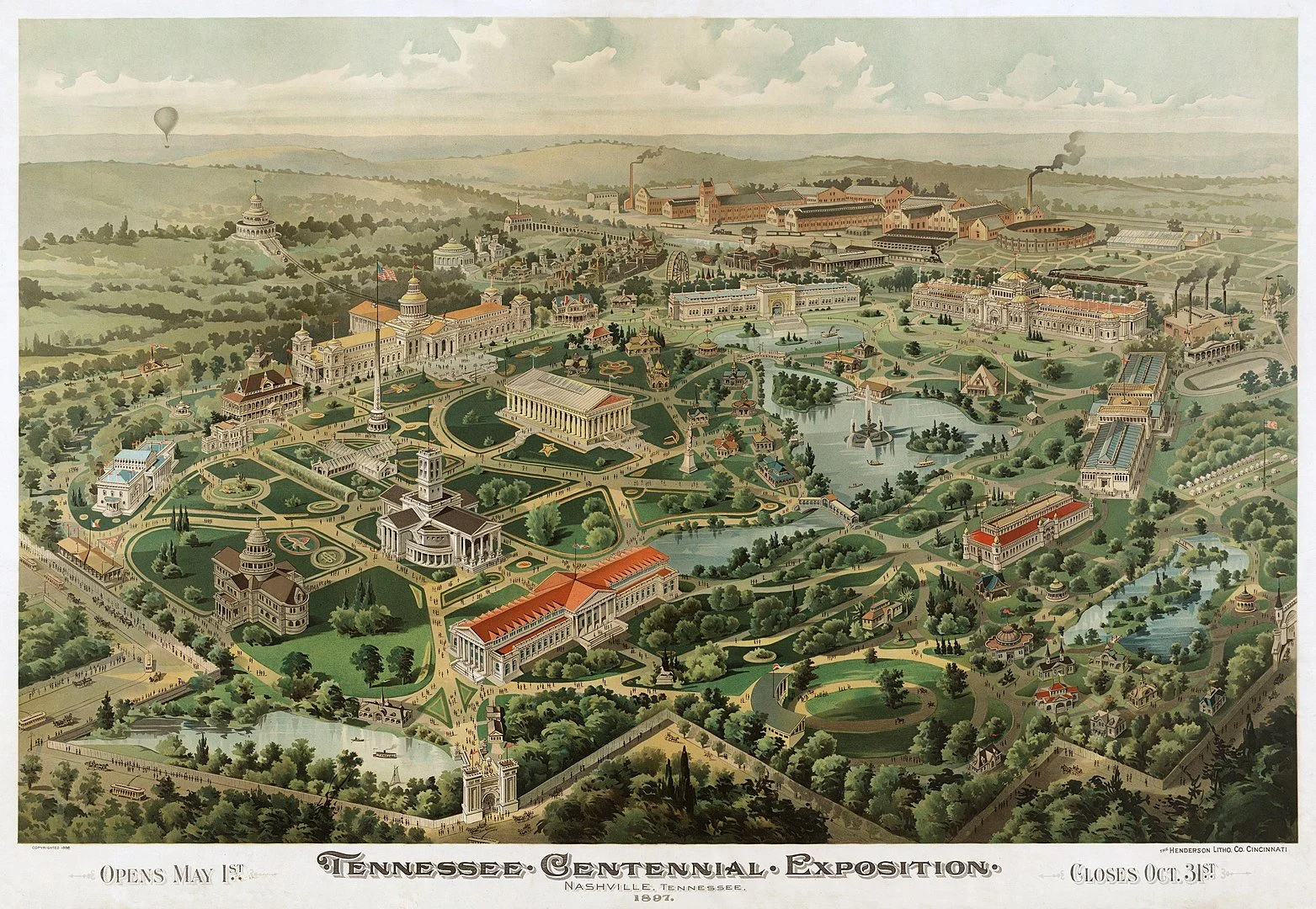
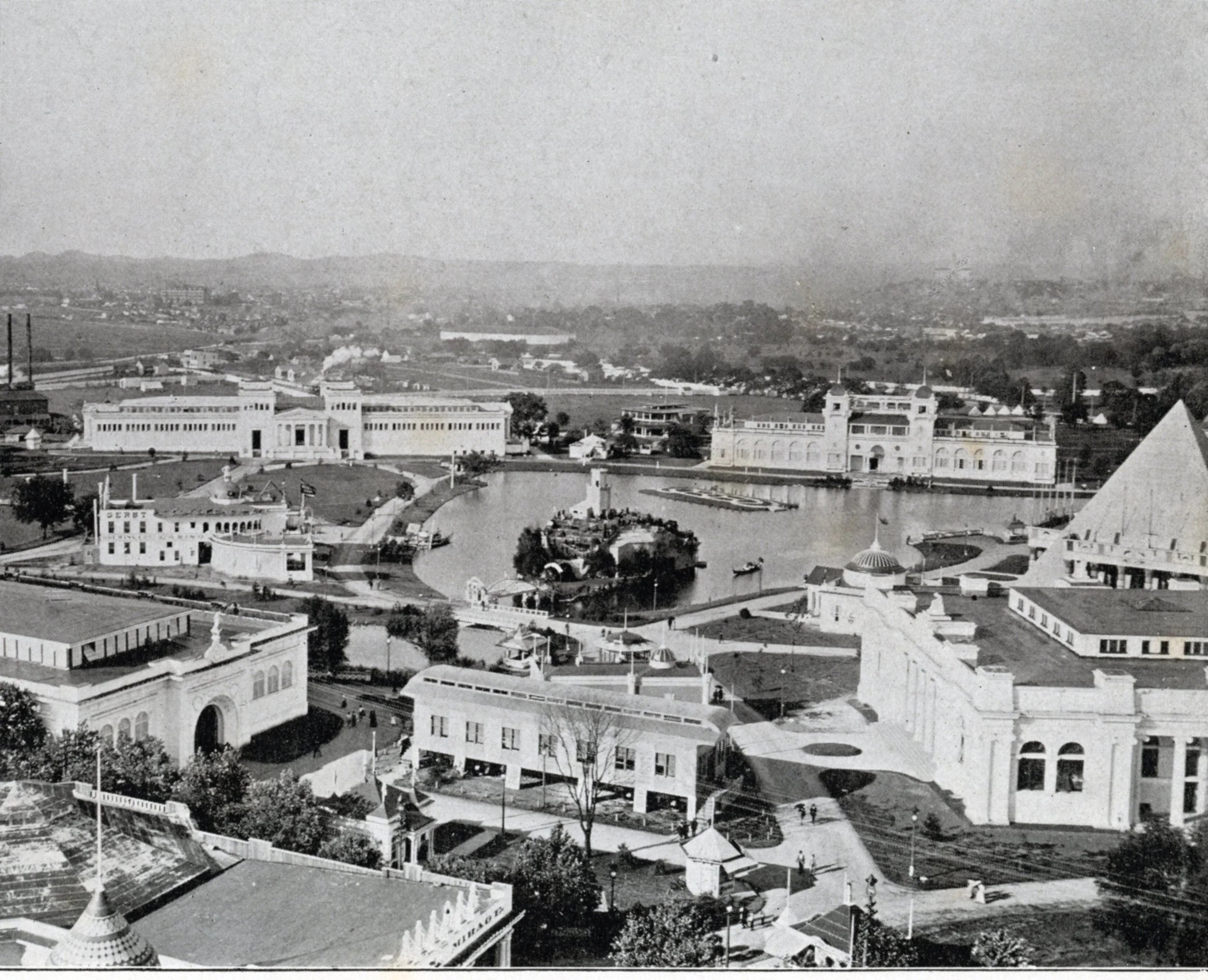
For six brief months in 1897, Nashville was the nation’s focal point, drawing almost 2 million visitors to a city of 85,000 residents. Educational exhibits, themed days, architectural marvels, and entertainment lured visitors from across the country.
-
Nashville’s nickname, Athens of the South, took physical form as the Exposition’s Fine Arts Building.
The Exposition needed a Fine Arts Building and Nashville citizens loved the idea of recreating the ancient Parthenon to represent their city. Skylights and electric lights illuminated 1,175 artworks- the largest art exhibit the South had ever seen!
-
Everything was torn down when the Exposition ended- almost.
After parts were sold off, most of the wood and plaster buildings were torn down. Only the Parthenon and History Building were made of brick and plaster. These materials were fireproof and lasted longer. A couple small buildings were purchased and moved to private property. The Mexico Building was reused as a concession stand in Centennial Park.
-
Item descriptionThe Parthenon was a powerfil symbol of Nashville’s pride and hope for the future. The building continues to be an inspiring setting for meaningful celebrations and movements. From theatrical performances and art exhibits to suffrage marches and holiday celebrations, the Parthenon and Centennial Park continues to be a place of education, art, and action.
This land has been home to Indigenous people for over 15,000 years.
Traces of this long history can be found throughout Davidson County, where hundreds of Native American towns, villages, and farmsteads occupied the landscape between 1000 and 1475 CE. After that period, and until the arrival of the first Europeans and settlers in 1700s, the area was used as a shared hunting grounds by Indigenous Nations including the Shawnee, Cherokee, Chickasaw, and Choctaw.
Learn more about Nashville’s rich history by trying Nashville Sites Indigenous Peoples and Archaeology driving tour.
Who was here before Nashville?
Read more about the modern archaeological search for the “Buried City” here:
Native people fight for history of ancient city beneath Nashville’s streets
Tennessee Centennial Exposition Digital Resources
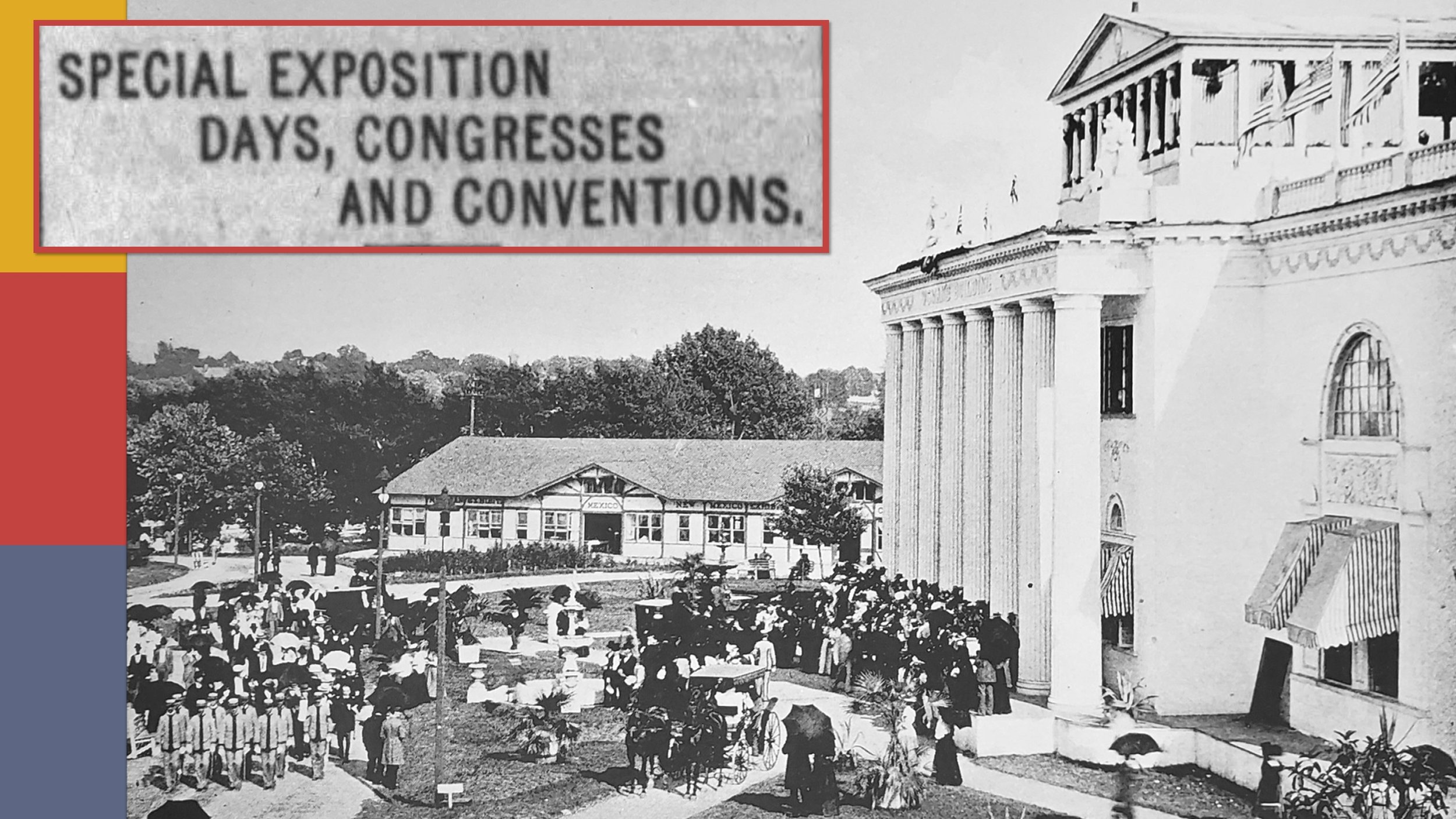
Special Days
What day would you want to visit the 1897 Tennessee Centennial Exposition?
Sheet Music
Play music from the 1897 Tennessee Centennial Exposition at home!
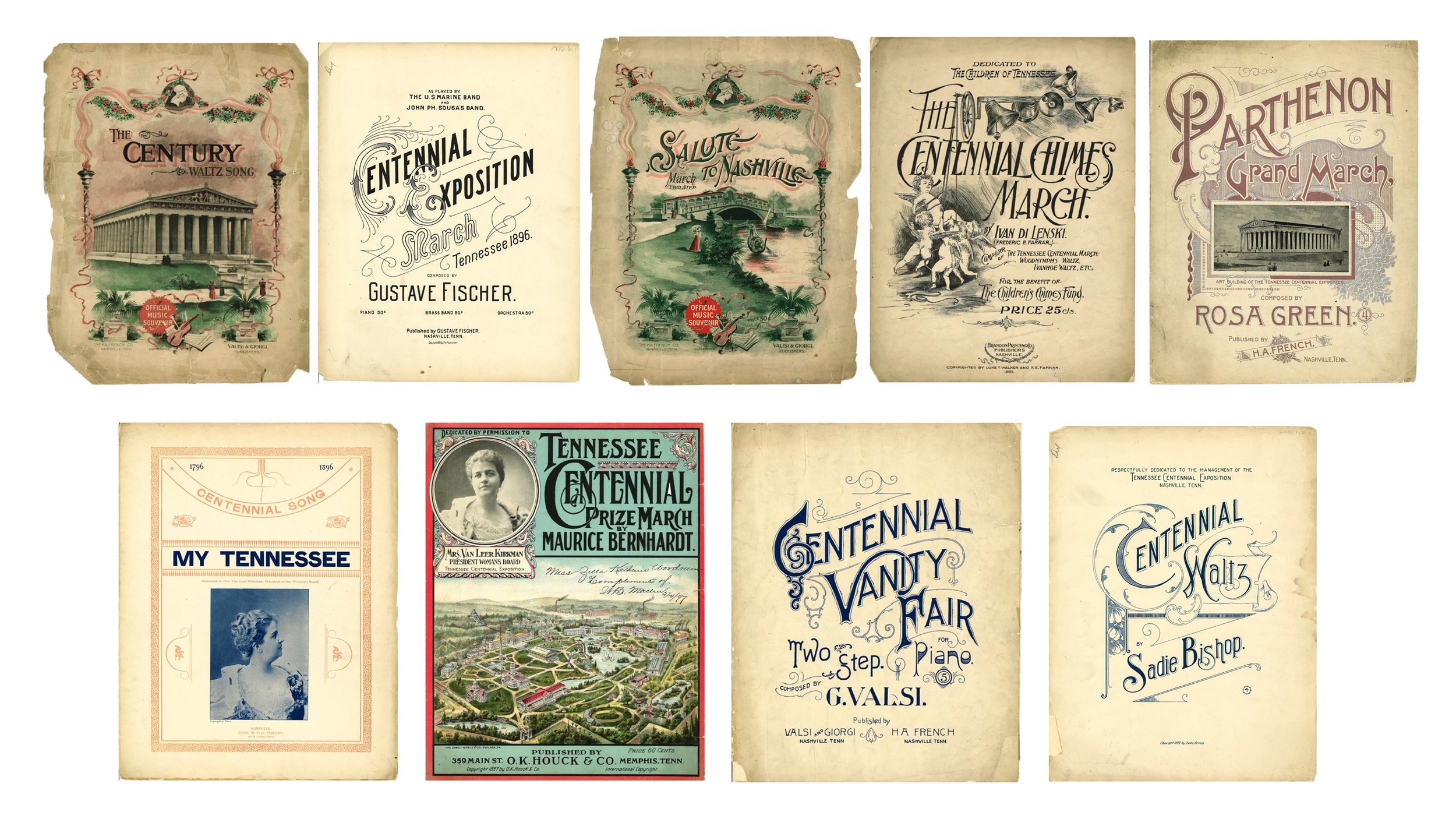
Digital Books
Browse the books that were exhibited in Looking Back— 125 Years After the Exhibition.

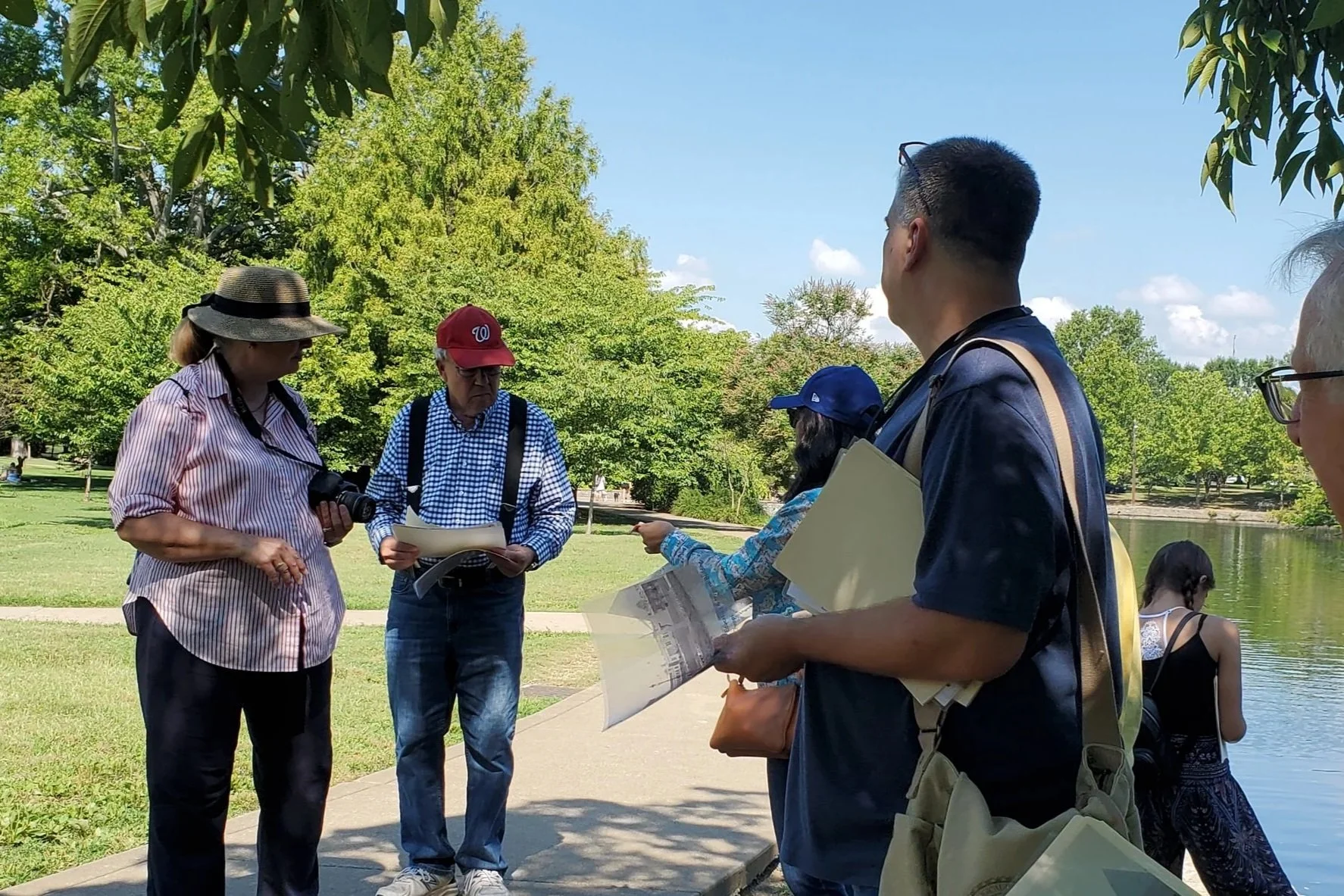
Centennial Park History Tour
Hear stories of the 1897 Tennessee Centennial Exposition and picture the past. The tour features archival photographs and images of artifacts from the Exposition.
Want to read more about the Tennessee Centennial Exposition?
Click the link below to read newspaper articles about the Exposition.
Statement on Harmful Content in the Parthenon
The Parthenon strives to honor all materials in our collections and exhibitions with a conscious level of cultural sensitivity. We aim to describe and interpret our exhibitions in ways that are respectful to all individuals who visit and participate in our programs.
However, our collections and exhibitions may include descriptions, language, or depictions of historical events and cultural beliefs that may be offensive, including harmful representations of individuals or communities. Some materials may contain outdated or offensive language that diminishes or demeans the humanity of the people represented, including descriptions of violence or injustice as well as insensitive viewpoints, which may make some of the collection difficult to interact with or view.
The Parthenon does not excuse any harmful language, content, or ideas however, we will continue to use original language rather than censoring harmful language or content to ensure historical accuracy and authenticity.
Was there racial segregation at the Tennessee Exposition?
People of color had a separate hospital and most of their exhibits were in a separate building, but all visitors had access to all major Exposition buildings daily.
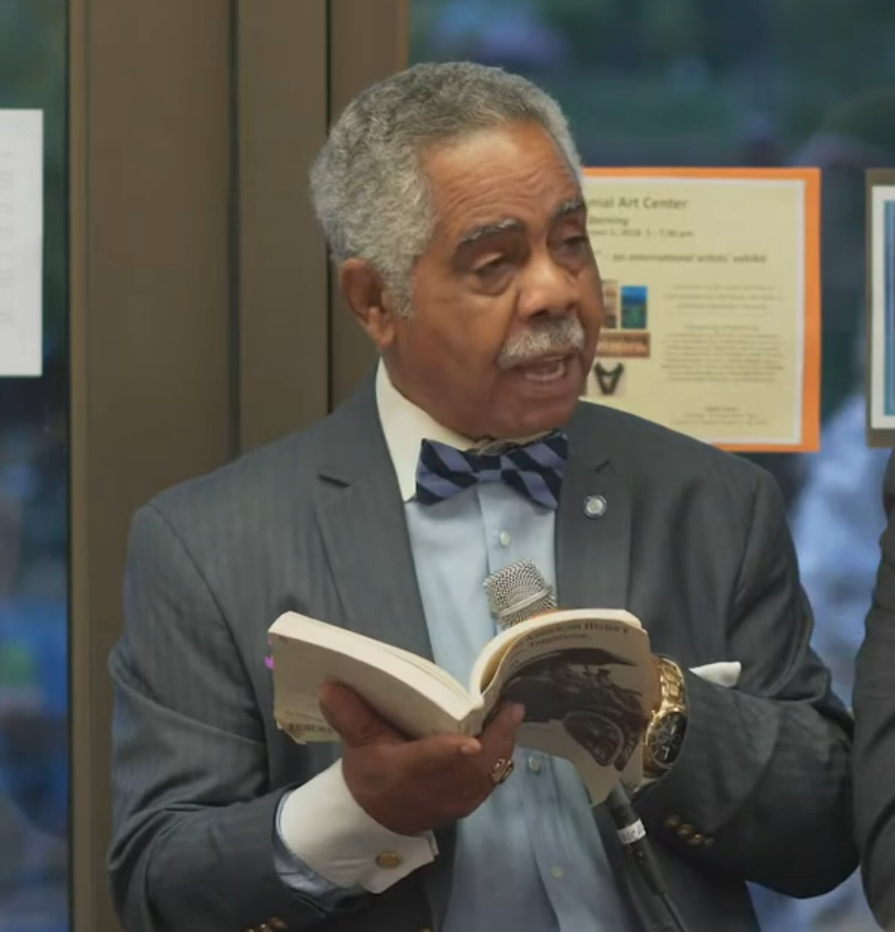
Read about the experience of Black journalists visiting the Exposition:
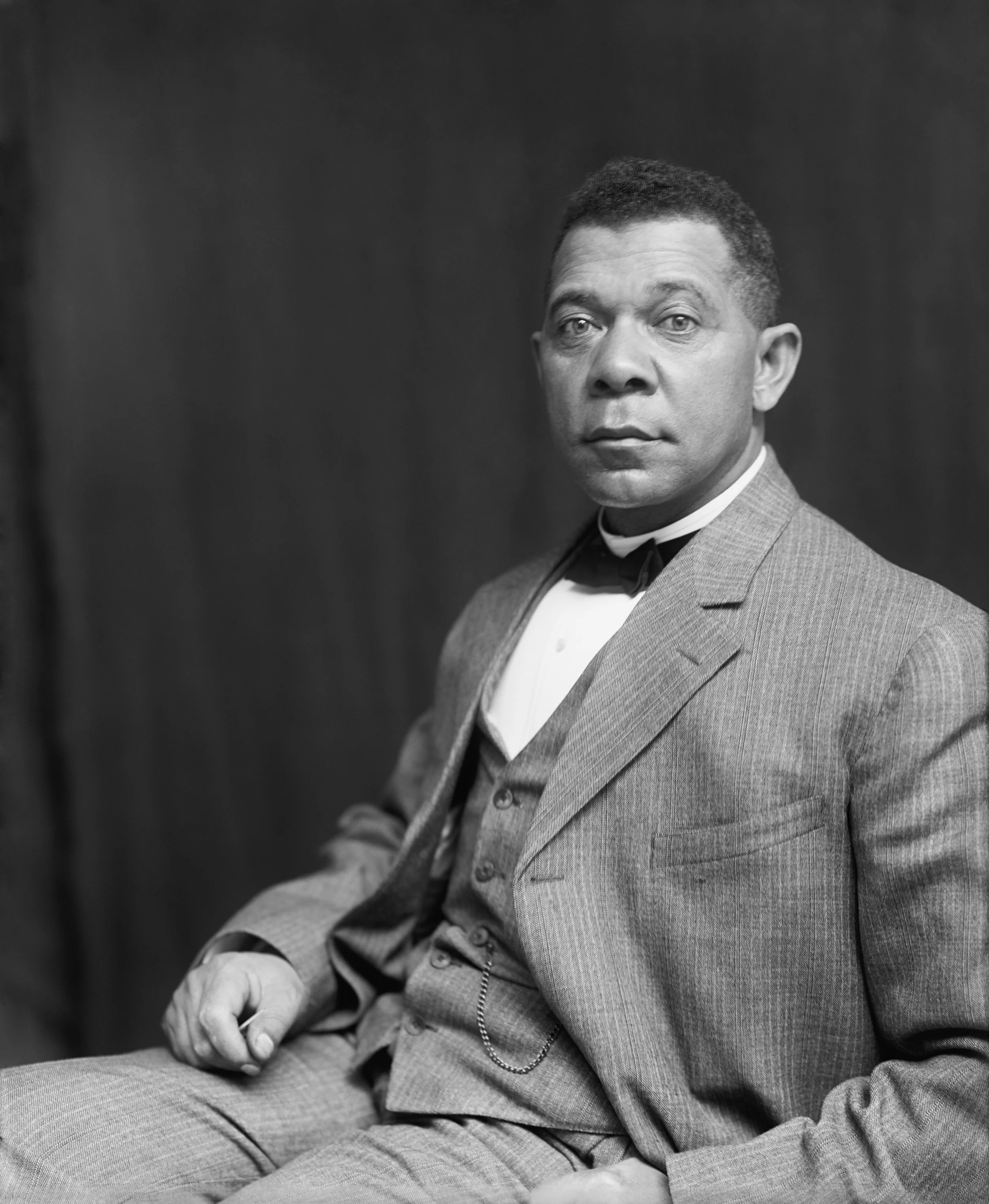
Booker T. Washington
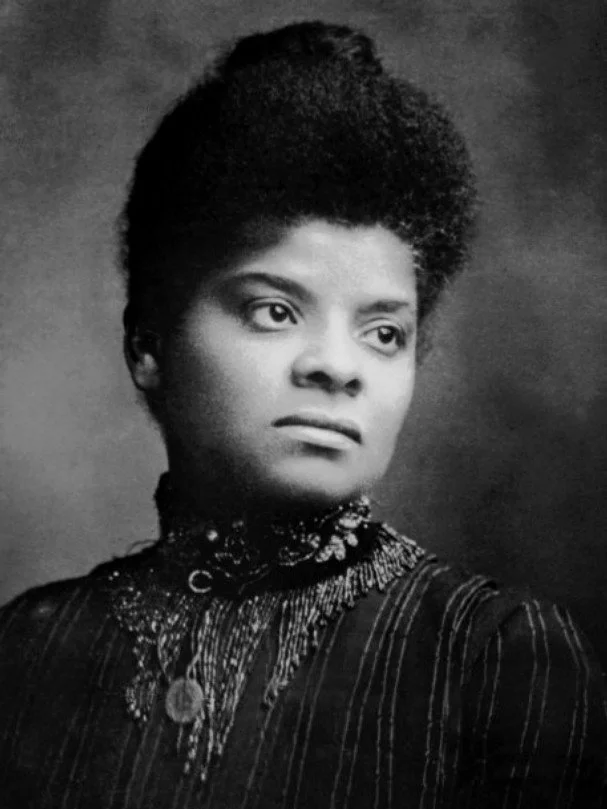
Ida B. Wells
Reavis L. Mitchell, Jr. -
Contemporary article on Exposition
Booker T. Washington, Frances Benjamin Johnston, Public Domain, via Wikimedia Commons.Ida B. Wells. Barnett, public domain, via Wikimedia Commons.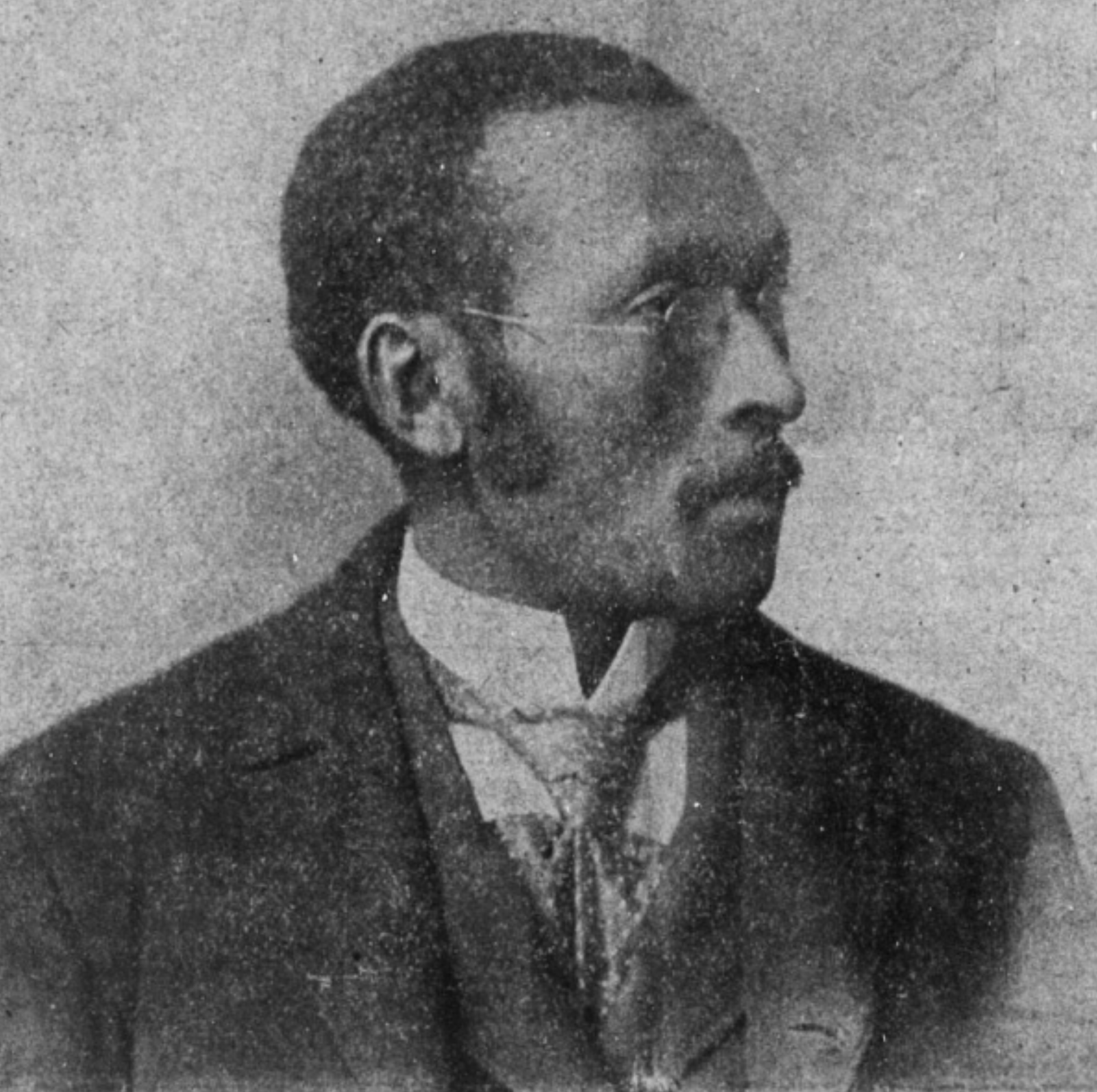
Richard Hill. The Freeman. (Indianapolis, IN) 5 Jun. 1897, p. 1. Retrieved from the Library of Congress.Black school teacher Richard Hill succeeded James Carroll Napier as Negro Department chief. White planners had viewed Hill as an accommodationist due to familial ties and dependence on a public salary. However, at the laying of the Negro Building's cornerstone on March 13, 1897, Hill stood before an overwhelming-Black crowd of 10,000, triumphant.
Read Richard Hill’s speech:
“We are now on trial—the most severe test as to what we have done, and are doing, since our emancipation...We boast our enterprising spirit and progressivism. Our varied accomplishments have been proclaimed in flaming tones and painted in beautiful colors. Now is the time to prove all this.”
Vanity Fair
As evening approached and the exhibit buildings closed, Vanity Fair welcomed crowds seeking amusements and adventure. People of all ages, races, and social classes enjoyed thrilling rides, delicious foods, and music from many different cultures. Visitors could see amazing sights, including exotic animals like camels and lions, making it a vibrant, energetic, and unforgettable part of the Exposition.
Want to learn more about the buildings of the Exposition and Vanity Fair? Click below to explore newspaper articles about the Exposition.
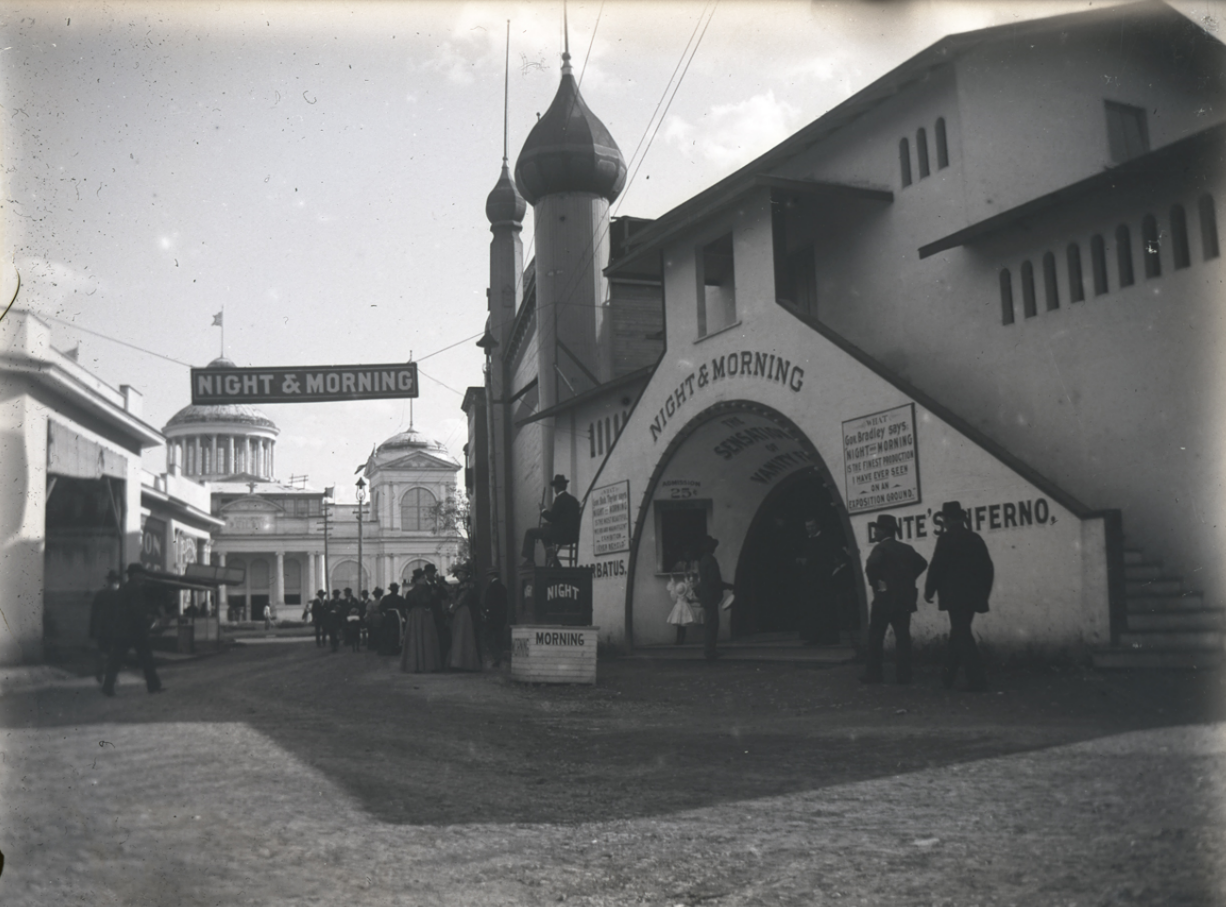
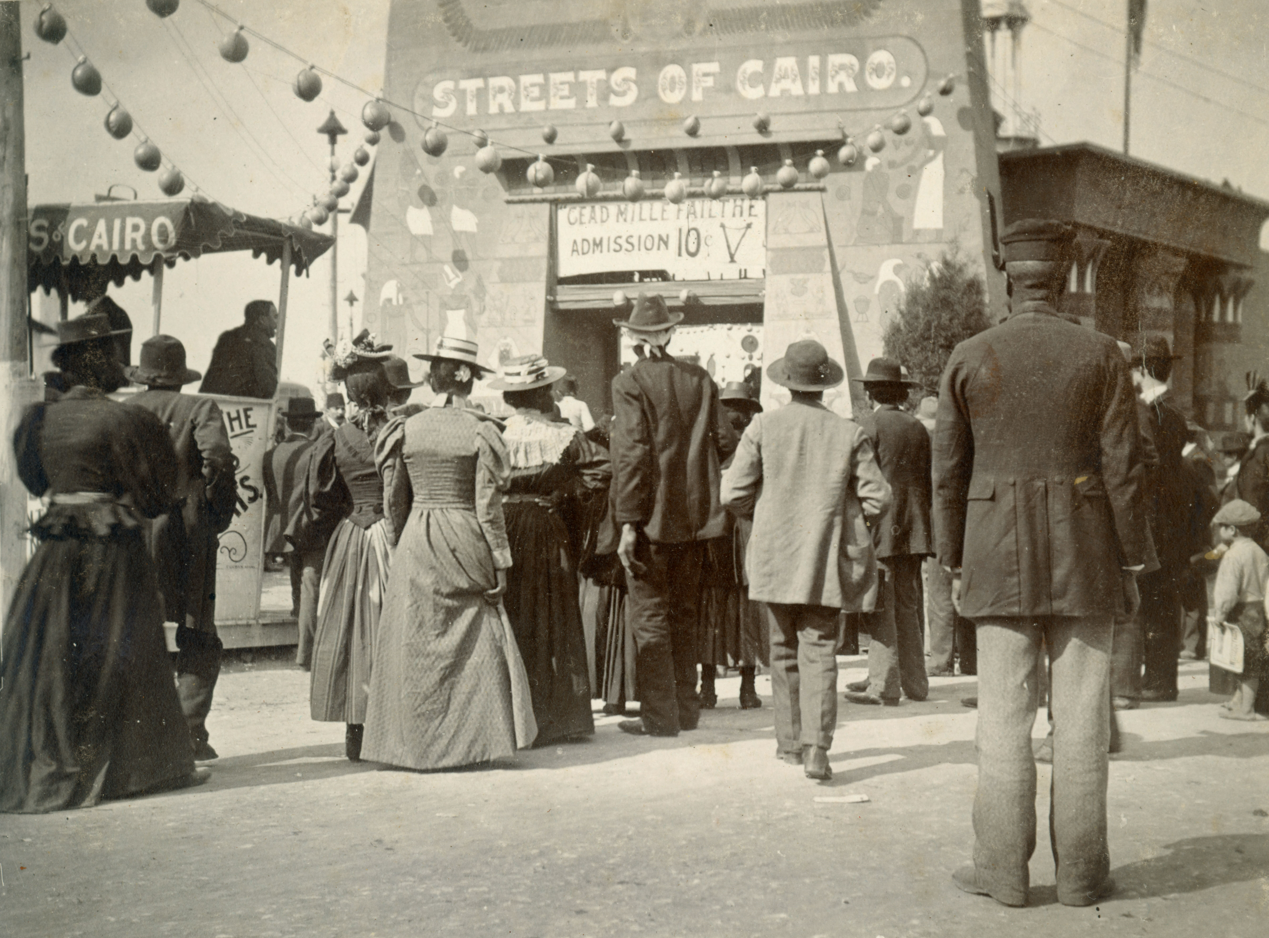
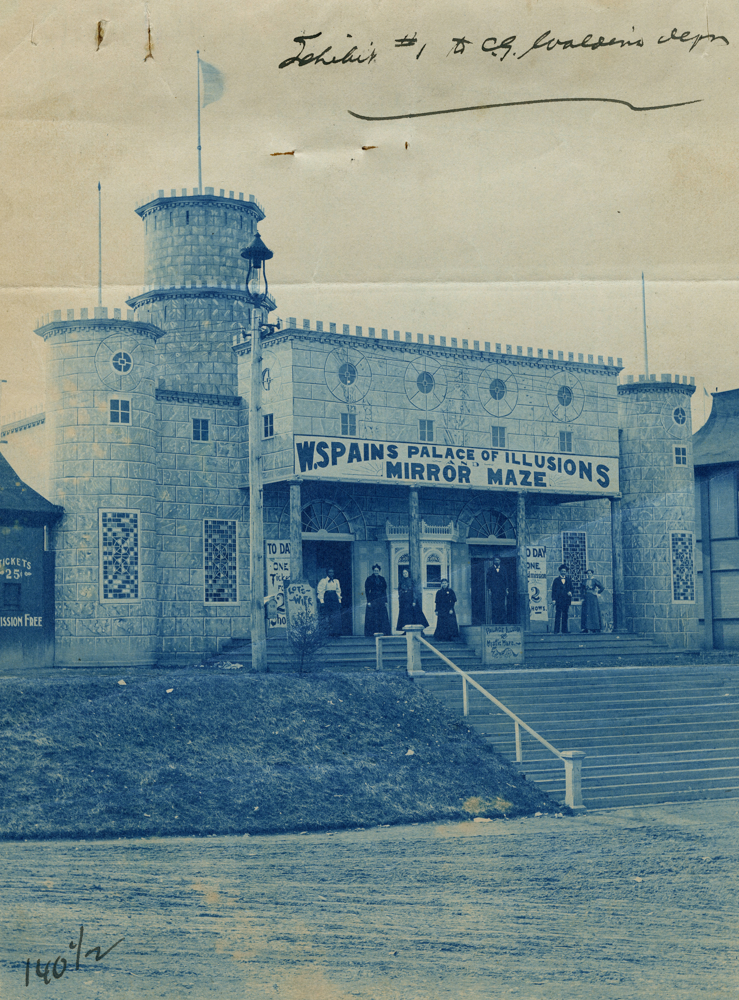

Ride a camel in the Streets of Cairo at Vanity Fair!
Listen to Nashvillians Jeanette Acklen Noel and Margaret Wright talk about their memories of the Streets of Cairo:
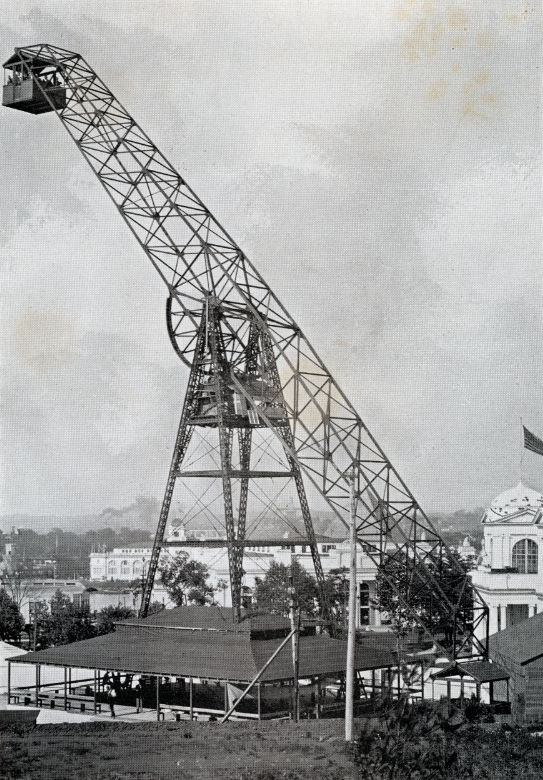
Chattanooga inventor W. J. Gladish created a fast, whirling ride inspired by his search for perpetual motion. The ride was a wooden wheel just over 12 feet in diameter. It spun so fast that an electrical restrainer, powered by the ride itself, was added for safety. Visitors were thrilled by the speed and ingenuity of the ride, combining science and excitement in a way few had ever seen.
Gladish Wheel
Click below for more details on the mechanics of the Gladish Wheel on page 209 of The Official History of the Tennessee Exposition.
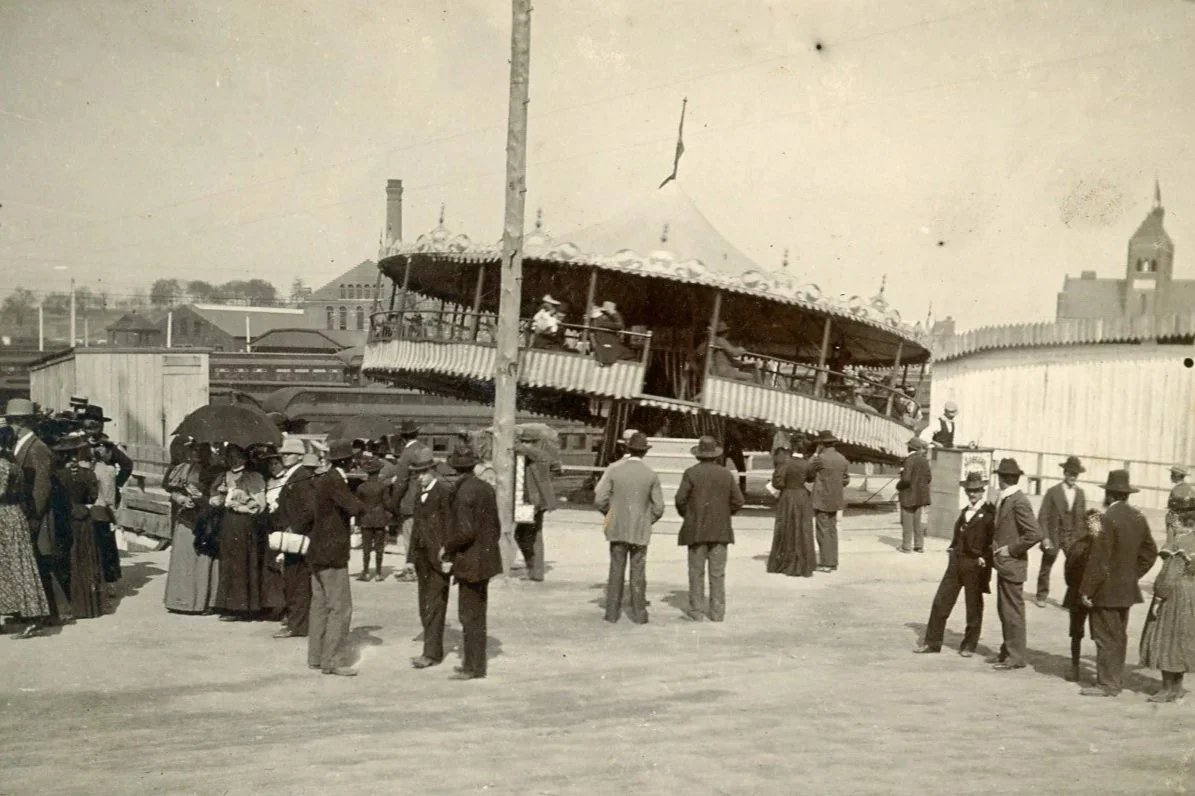
The Gladish Wheel, 1897. Courtesy of private collector. L2022.05.01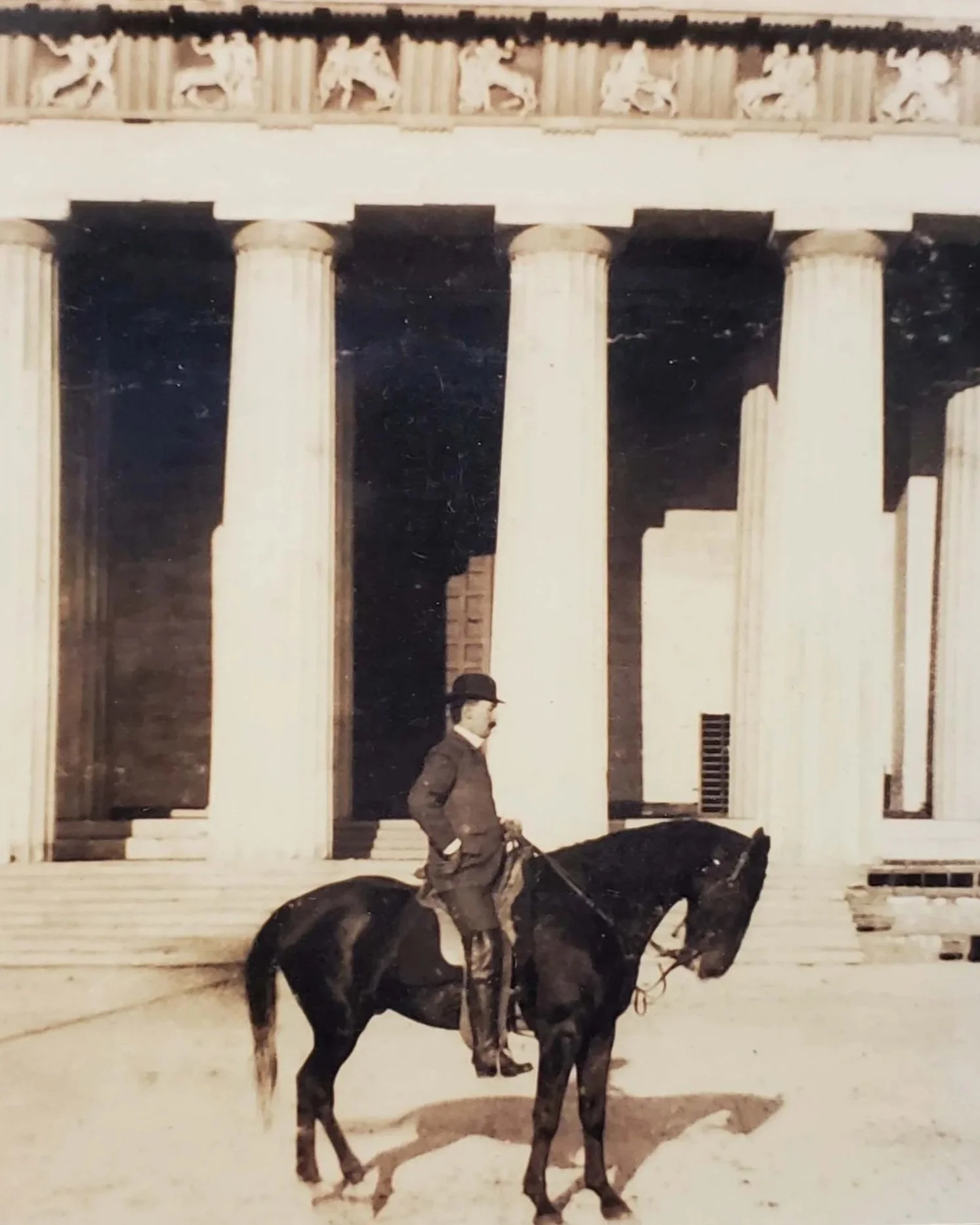
What happened after the Exposition?
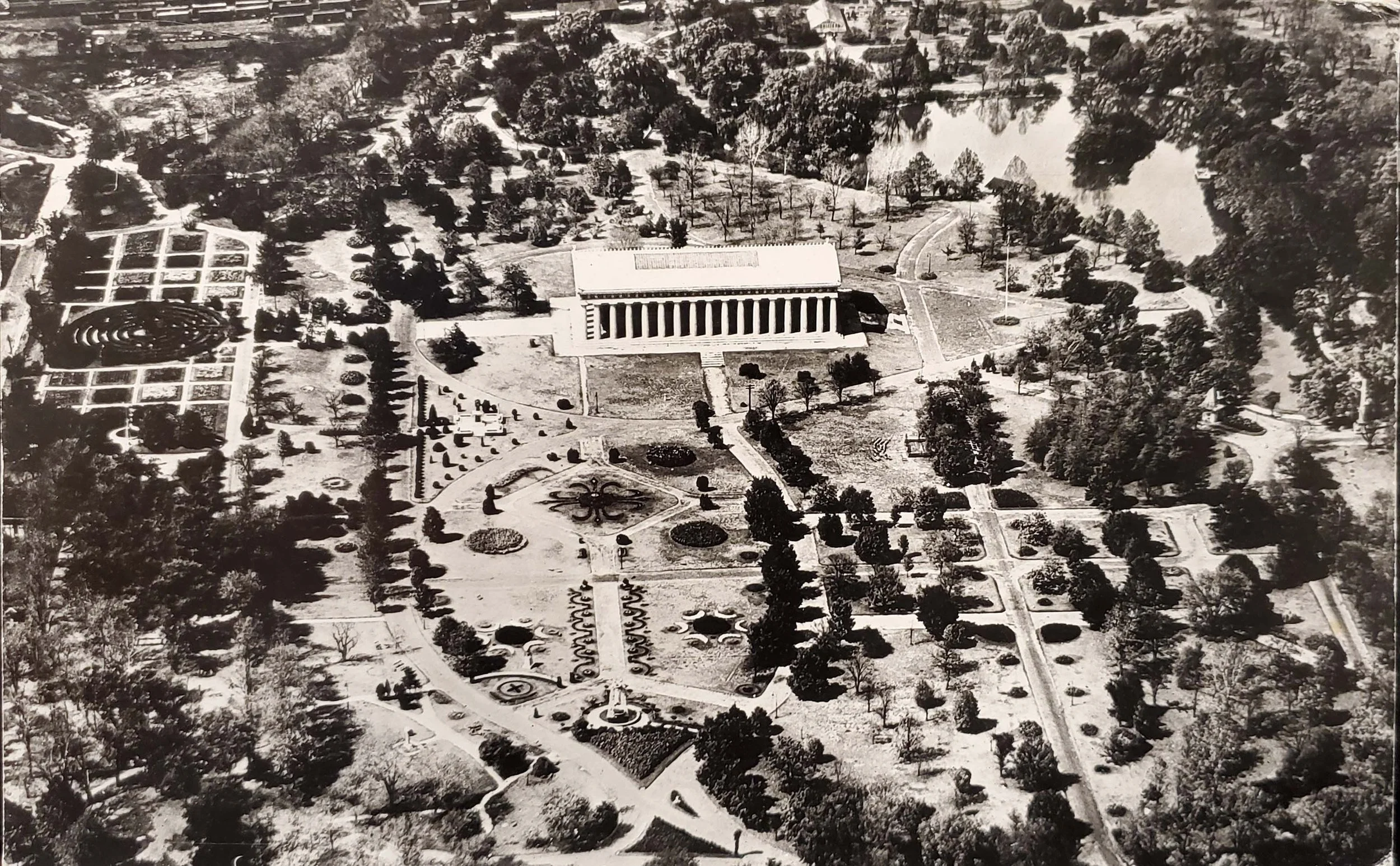
In the early 1900s, the threat of developers pushed community leaders to protect the land. In response, the city created the Nashville Board of Parks, and most of the fairgrounds became Centennial Park.
-
Almost everything was torn down when the Exposition ended.
After parts were sold off, most of the wood and plaster buildings were torn down. Only the Parthenon and History Building were made of brick and plaster. These materials were fireproof and lasted longer. A couple small buildings were purchased and moved to private property. The Mexico Building was reused as a concession stand in Centennial Park.
-
After the Exposition, Nashvillians insisted on creating Centennial Park and turning the Parthenon into an art museum.
-
While the Parthenon and History Building were modeled on Classical Greek buildings, Exposition directors connected most of the architectural styles to America’s colonial and national eras - not ancient Greece.
-
The Parthenon was a powerful symbol of Nashville’s pride and hope for the future.
Nashville’s First Park

Even before it officially opened in 1903, citizens of Nashville were using the name of Centennial Park to reference the former fairgrounds of the Tennessee Centennial Exposition.
In 1909, the Centennial Club, a local women’s group, initiated the playground movement in Nashville when city funds were not available to create an area for children within the new park system. Read this poem, published in the Nashville Banner, about the park called “A Family Tree”.
Rebuilding the Parthenon
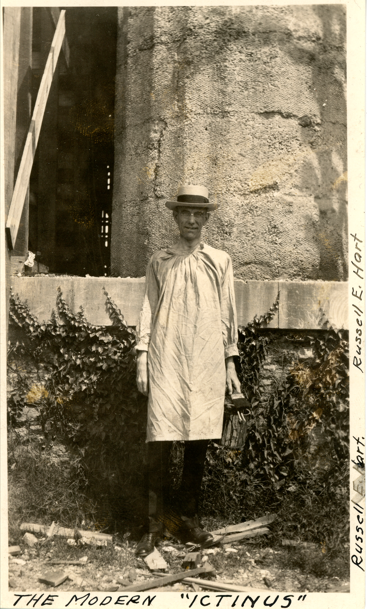
Russell Hart, c. 1921. 2001.11.11City leaders realized the original 189 building would not last forever. Instead of tearing it down, park commissioners chose to rebuild the Parthenon as a lasting landmark. The committed to making the outside match the ancient Greek original by hiring architects, sculptors, historians, and skilled workers.
To make sure the new Parthenon matched the original in Athens, architect Russell Hart turned to the same book used in 1897 - Principles of Athenian Architecture by F.C. Penrose.
Click below to find articles by Russell Hart on the rebuilding of the Parthenon.
In 1934, sculptors Scholz and Kinney presented a four-foot model of the full-size Athena they proposed to build inside Nashville’s Parthenon. The Park Commissioners declined the proposal because it was too expensive but purchased the model to inspire visitors to donate funs to make it possible.
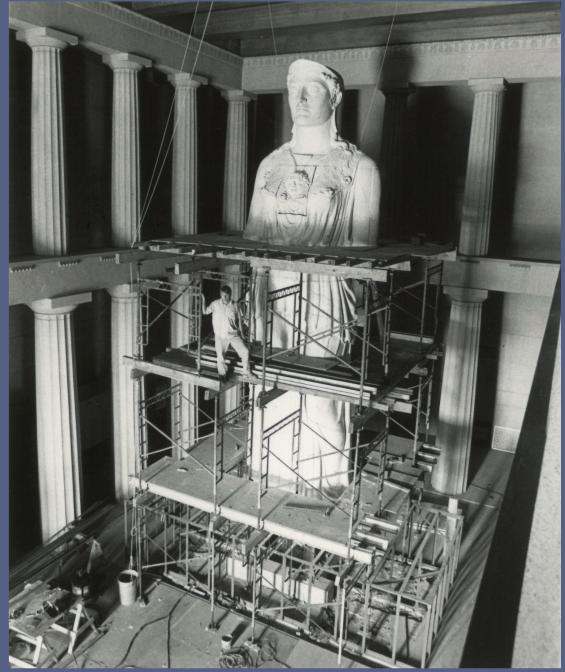
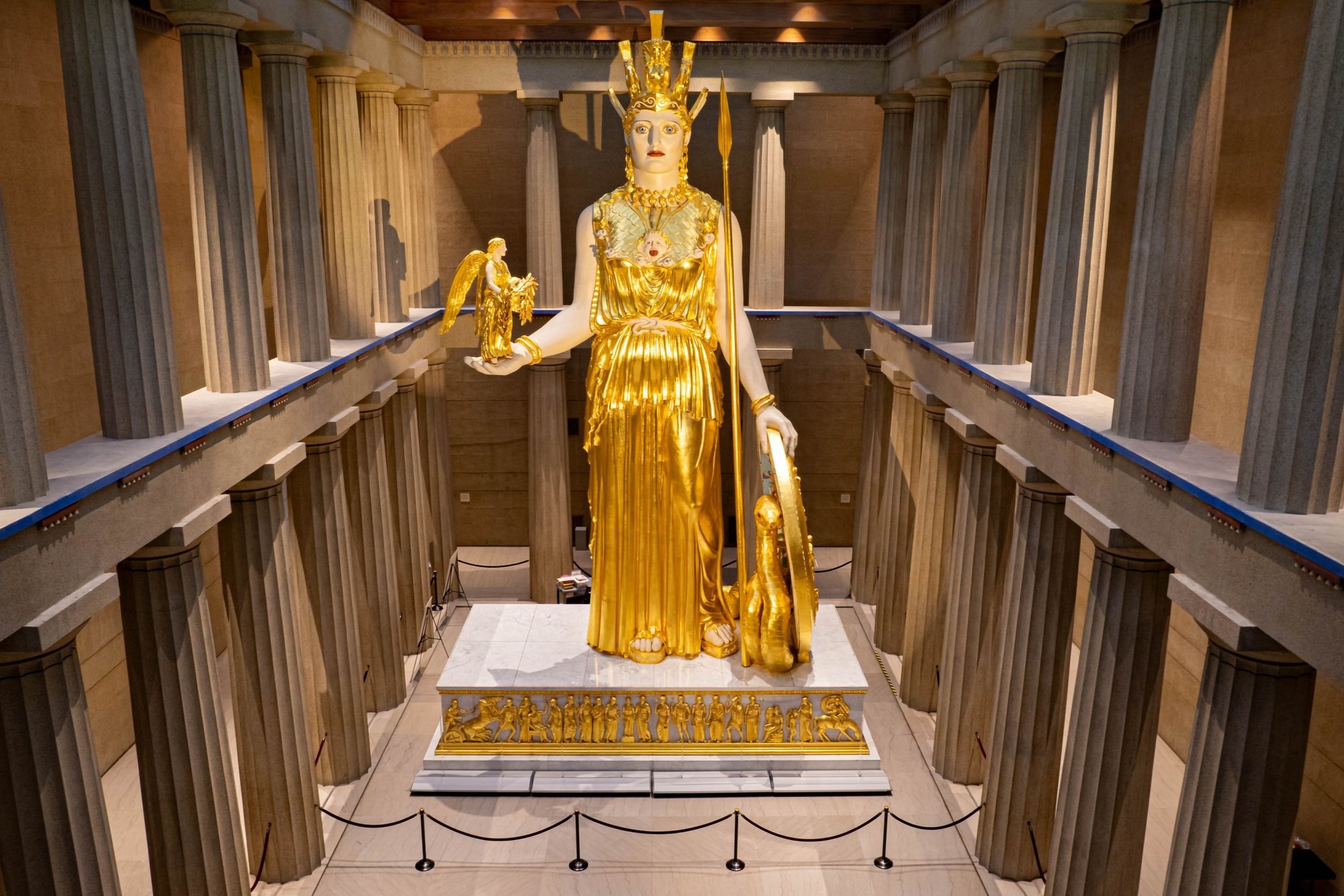
The model remained in the Naos until 1981 when enough public donations had been collected to pay for the full-size recreation. Local artist Alan LeQuire won the contract to recreate the giant statue. The statue was unveiled in 1990, but wasn’t fully complete until 2002, when the guilding and paint were added to make it a more accurate replica of the ancient sculpture.
Learn about the history of the Athena Sculpture:

Making History in Centennial Park
With its large open areas and iconic Parthenon, Centennial Park has been a prime spot for people to gather over shared political and social goals.
Women Fighting for the Right to Vote
In May 1914, 1915, and 1916, women’s suffrage supporter paraded from Downtown to Centennial Park in cars and buggies, on horseback, and on foot. At the parade’s end, there were speeches on the steps of the Parthenon.
On August 18, 2020, there was a celebration marking the 100th anniversary of the ratification of the 19th Amendment giving women the right to vote. Eight female skydivers descended near the Parthenon with giant flags. Click the video to the right to watch and learn more!
What was racial segregation like in Centennial Park?
Our knowledge of this history is still incomplete, but it is clear that people of color were not regularly welcome in Centennial Park until the 1970s.
Howard Gentry grew up near Centennial Park in the 1950s and 60s. He remembers limits, even after 1955 when the Supreme Court declared segregation of parks unconstitutional. Watch the video to the left to hear more about his experiences with the integration of baseball in Centennial Park.
Desegregating Pools
Learn more about the of the segregation and closure of the Centennial Park pool in the 2018 symposium Wade in These Waters.
The Centennial Art Center opened in 1972 and as a part of the 50th anniversary celebrations of its opening, CAC created a year pf reflection with special programs, dance performances, and exploration of the building’s history, the commissioning of the sculpture Path to a Higher Note, and the unveiling of a historical marker. Watch a slideshow of the building’s history to the right.

Shaping Centennial Park
Celebration, romance, wonder, music, art, sports, and nature come together in one of the Athens of the South’s largest parks.
Continue your adventure
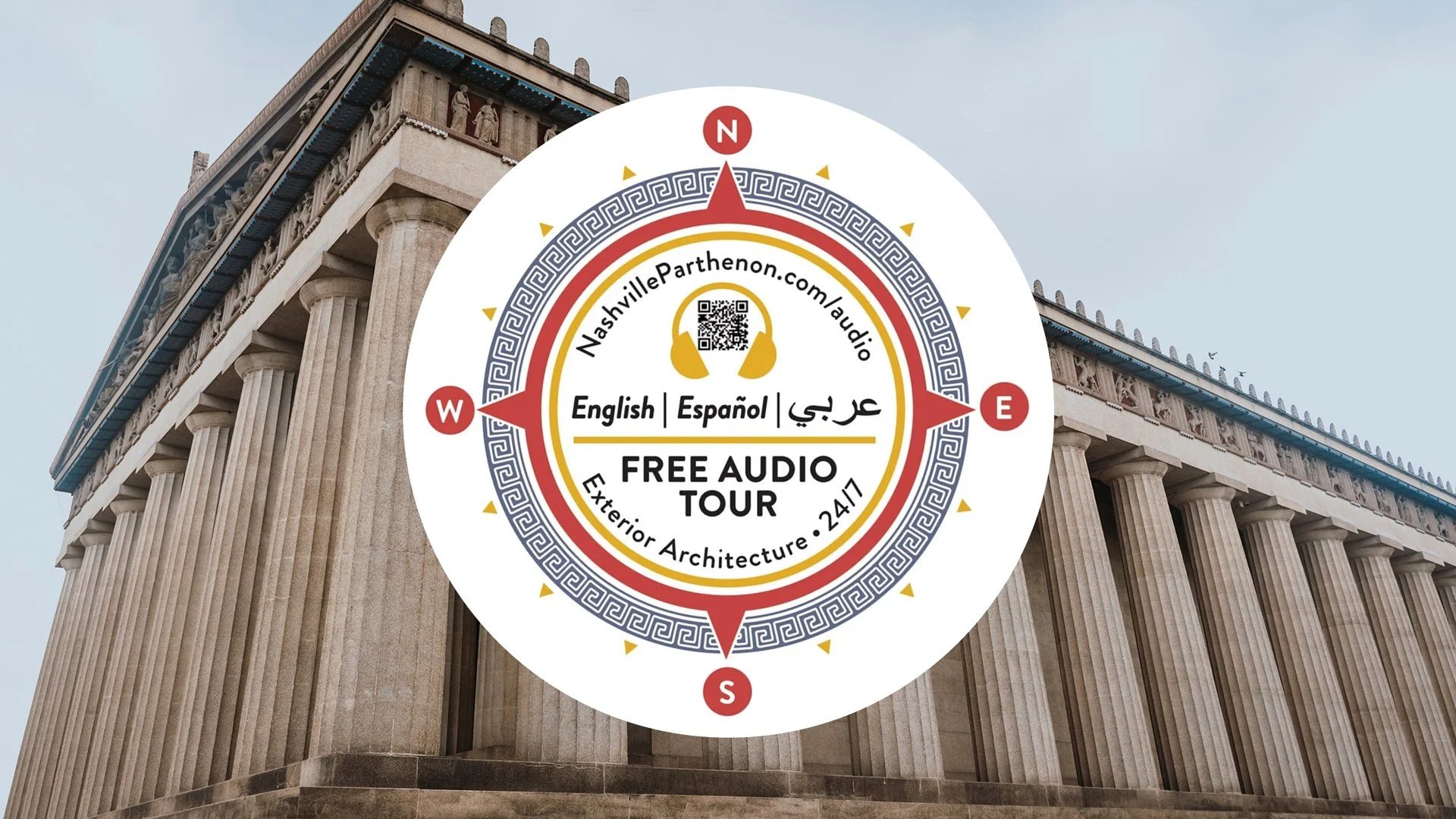
This free exterior architecture tour is available 24/7! From the outside of the Parthenon, follow along with museum experts as they describe the exterior, identify Greek gods and architectural features, and tell the story of the architectural sculpture.

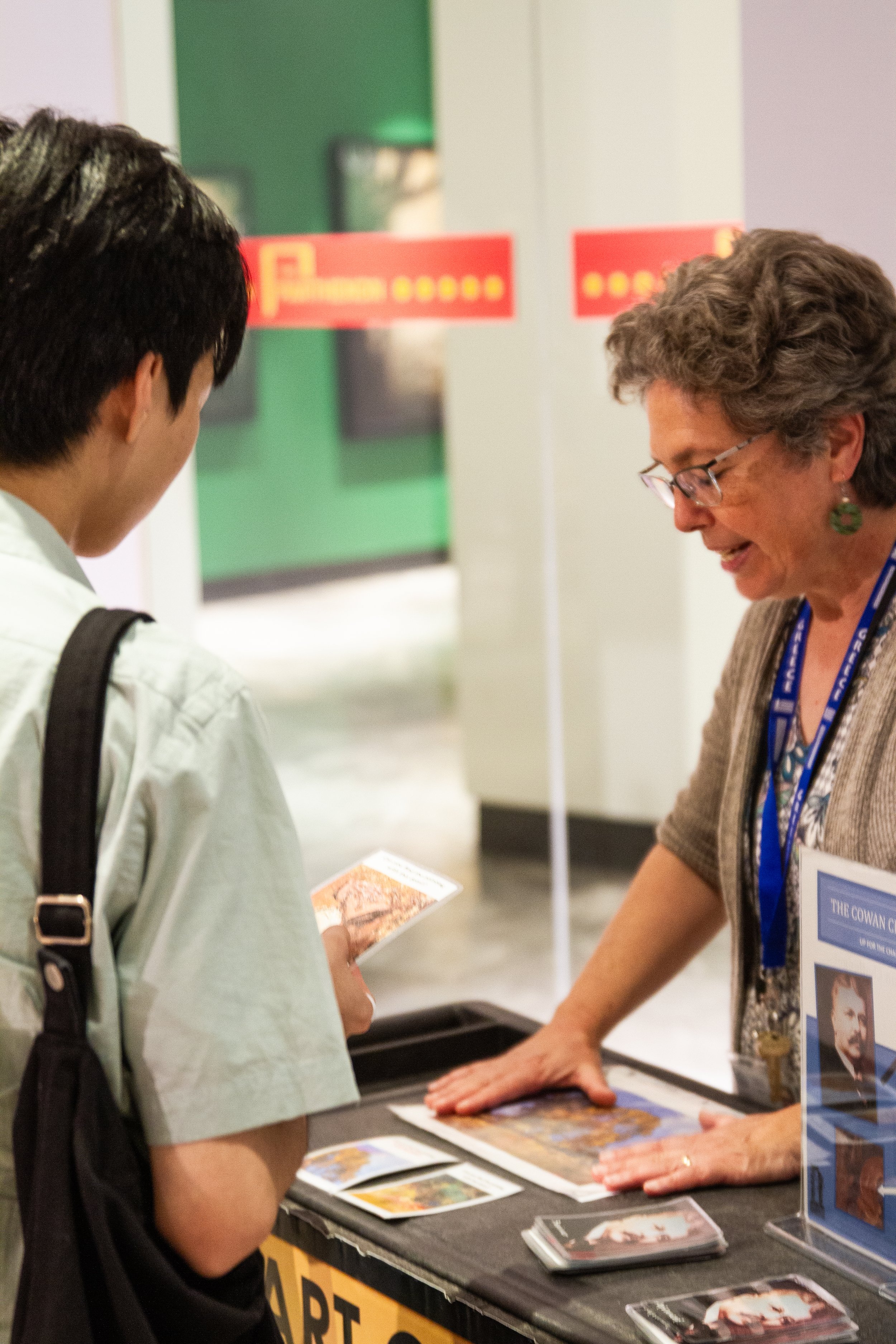
Check out the Parthenon YouTube page for more educational content.
From in-person trips to virtual programs and classroom resources, K-12 education at the Parthenon provides an inclusive learning environment that aligns with Tennessee state education standards. The Parthenon is the ideal museum to learn about visual art, architecture, engineering, history, math, science, and technology.
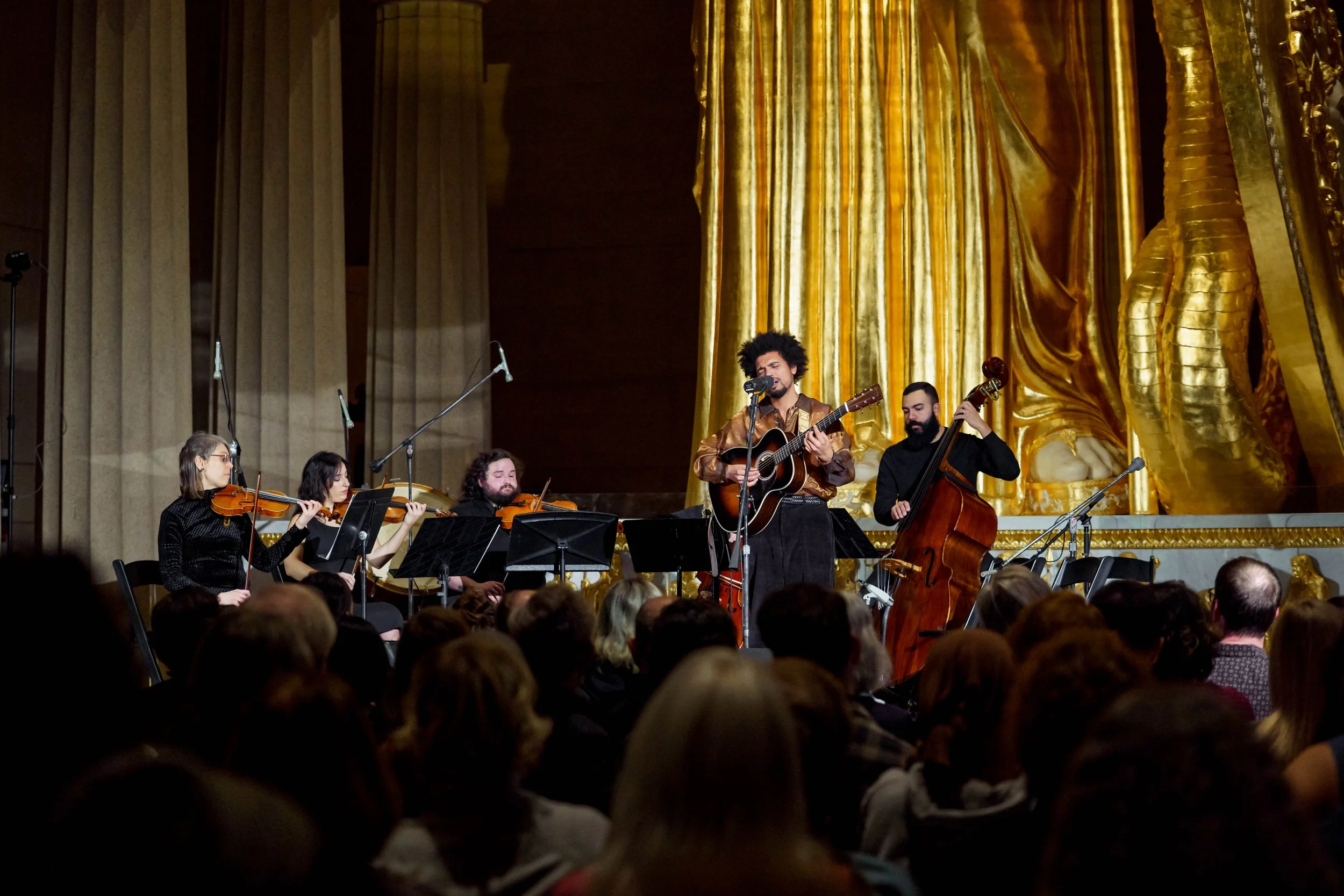
See all the exciting things happening in the Parthenon and in Centennial Park.
Celebration, romance, wonder, music, art, sports, and nature come together in one park. See how Centennial Park has reflected the changing needs and interests of our city.
Click the links below to learn about the park, the current revitalization, and programming- including Musicians Corner, Big Band Dances, Celebrate Nashville, and Earth Day.
What is going on in the park today?
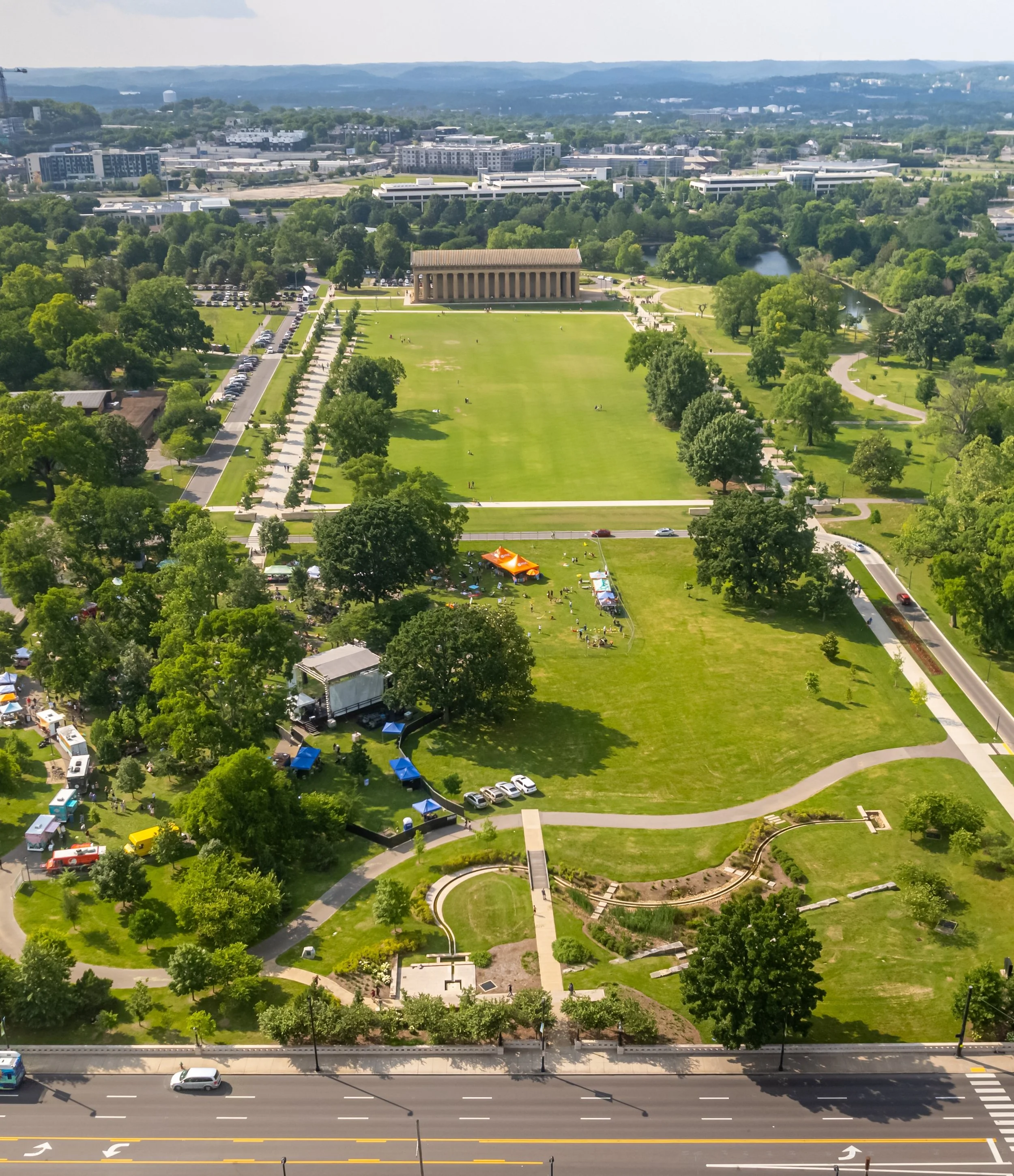
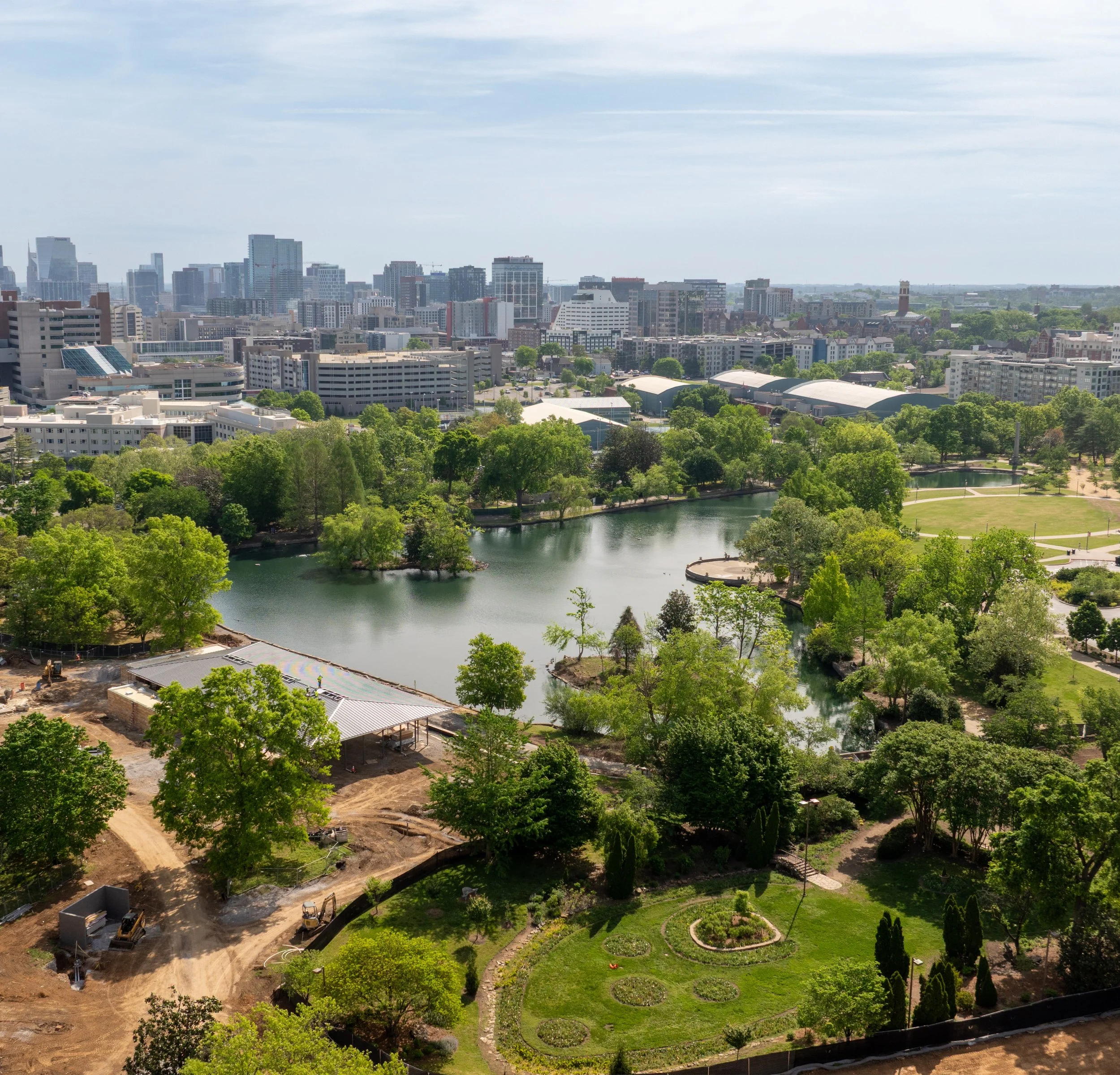
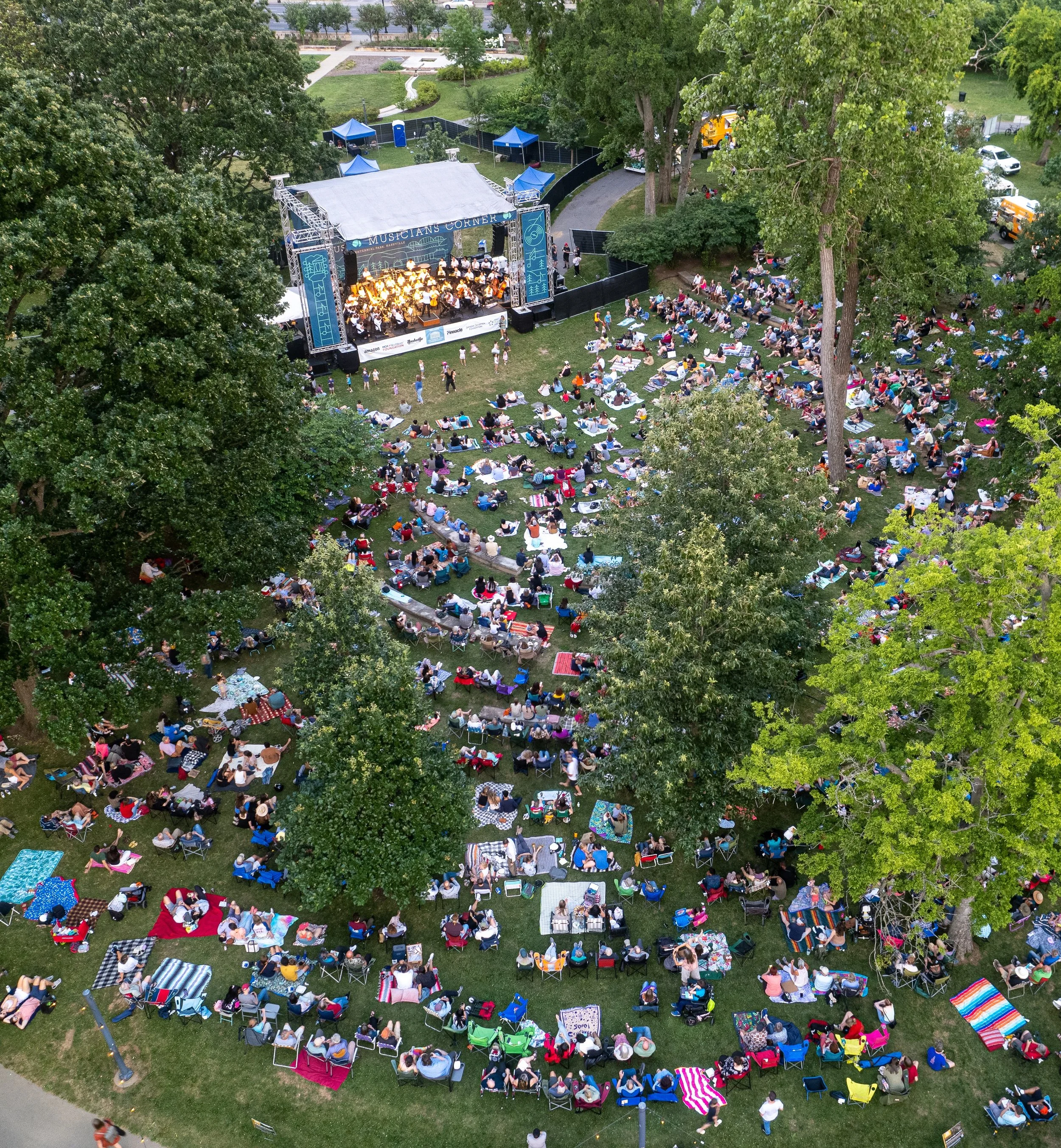
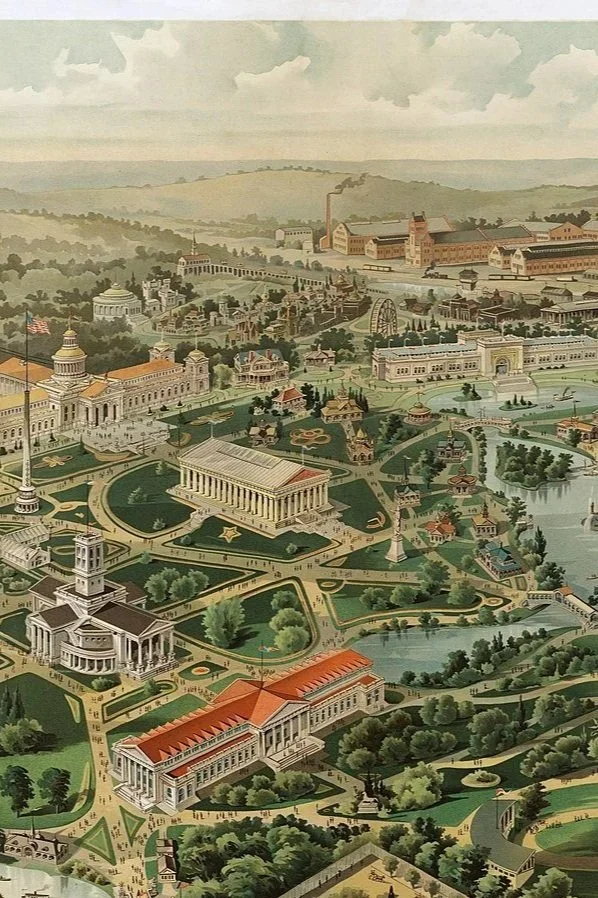
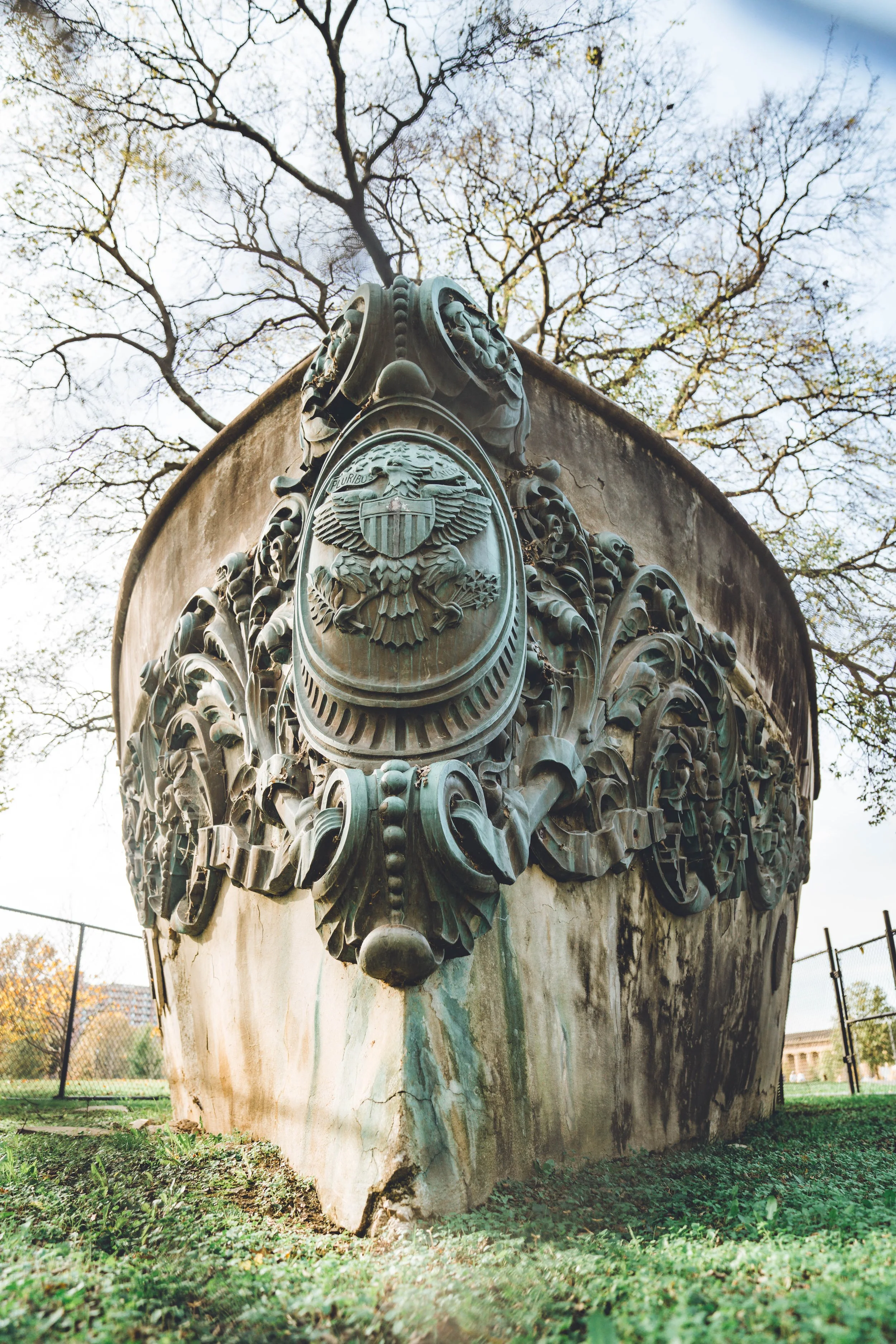
Photo Credit: Von Reisch Photography
Share your memories of Centennial Park!
We want to hear from you!
Share your memories and pictures of the park on the link to a GoogleForm below.

If you post a photo or video from your visit, don’t forget to tag us!
@NashvilleParthenon